
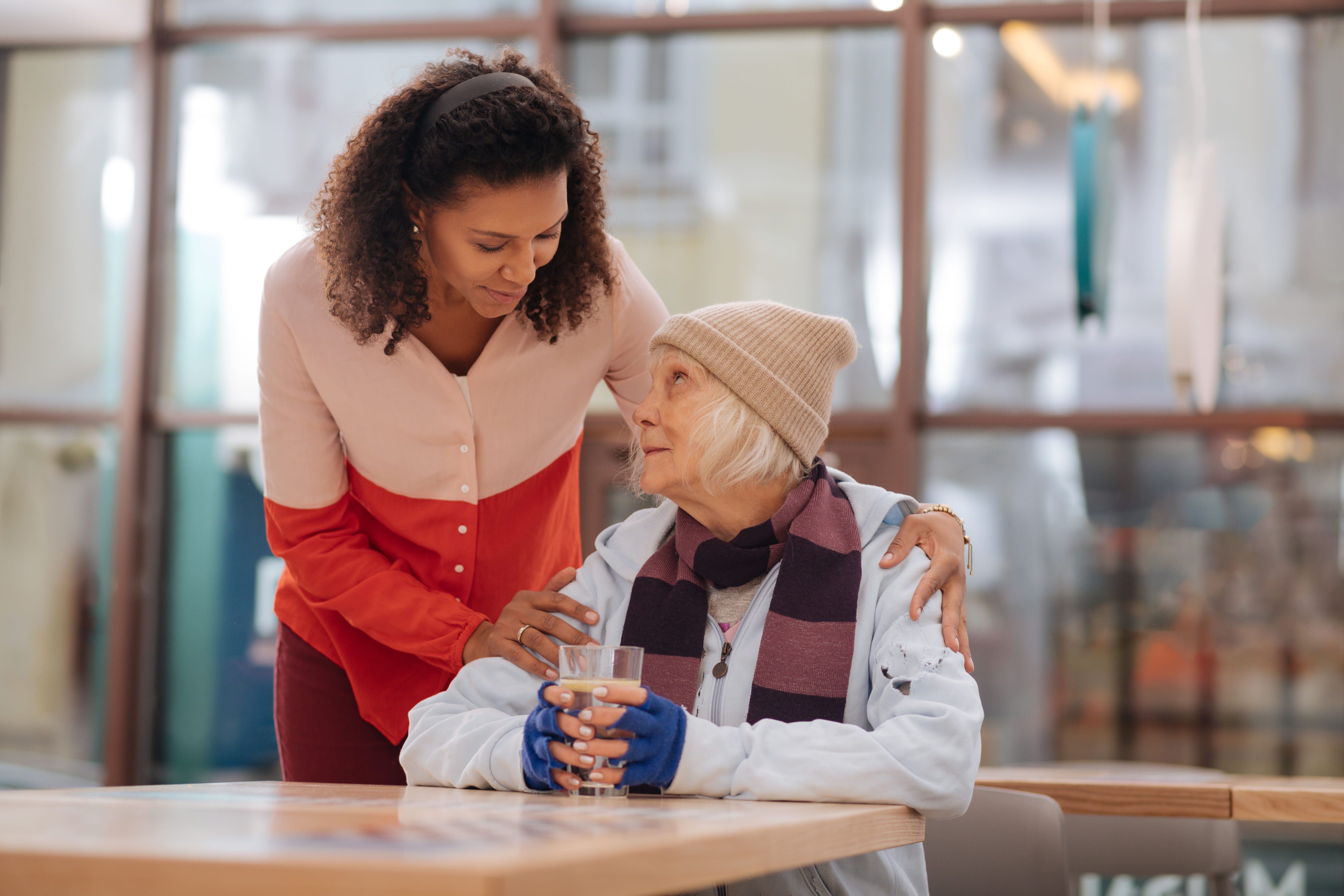
Understanding Senior Homelessness and Accelerated Aging
A lifetime of hard work shouldn’t end in uncertainty or fear, but for many seniors, that’s the reality. Adults aged 55 and older are one of the fastest-growing groups experiencing housing instability. Without stable housing, the physical and emotional toll can be severe, often causing individuals to experience health challenges typically associated with much older age. The need for safe, accessible, and compassionate housing support has never been greater.
The Growing Crisis of Senior Homelessness
Nearly 50% of people experiencing homelessness are over the age of 50, a number that continues to rise as the population ages and housing costs soar. For many seniors, homelessness is not caused by a single event, but by a series of compounding challenges over time.
Living on a fixed income can make it difficult to keep pace with rising rents, medical expenses, or the loss of a partner’s income. Chronic health conditions, limited mobility, and lack of access to consistent care can accelerate physical decline. At the same time, the loss of family or community connections often leads to isolation, making recovery even more difficult. Together, these factors contribute to accelerated aging, where someone in their mid-50s may experience the health and functional challenges of someone a decade older.
What Housing Support Is Available for Senior Homelessness?
Housing support programs for older adults are designed to address both immediate safety needs and long-term stability. These programs provide environments where seniors can rest, recover, and begin rebuilding their health and independence. Support may include:
- Shelters with accessible sleeping areas and meals
- Supportive housing with wraparound services such as case management, medical care and assistance finding permanent housing
By addressing both housing instability and health needs, these programs play a critical role in slowing the effects of accelerated aging.
Challenges Facing Housing Support for Senior Homelessness
Mental health also plays a significant role. Isolation, grief, and trauma can make it difficult for seniors to seek or accept help. Many older adults experiencing homelessness are also managing chronic conditions that are worsened by stress and lack of stable shelter.
While the need continues to grow, funding for age-specific housing and support services remains limited. As a result, service providers are often asked to do more with fewer resources, even as the population they serve becomes more medically vulnerable.
Programs and Solutions Supporting Senior Homelessness
Communities across the country are finding creative ways to meet these needs, including ours in Arlington, VA. Some programs integrate housing with healthcare services, while others offer transitional housing that helps seniors transition into permanent homes with stability and dignity.
Nonprofit organizations, local governments and volunteers all play a vital role in addressing homelessness. When these groups work together, they can address both the immediate crisis of homelessness and the long-term factors that cause it. Every contribution, whether through funding, advocacy or hands-on service, helps build a stronger network of care.
How You Can Support Senior Homelessness in Your Community
There are many ways to make an impact! Big or small, every action helps create safety and stability for vulnerable older adults.
Volunteer
Organizations like PathForward rely on volunteers to serve meals, provide companionship or assist with transportation. At PathForward, our dedicated volunteers provide essential support, build meaningful connections and empower individuals experiencing homelessness to build a brighter future.
Become an Advocate
Call or write to local representatives, attend community meetings or share information about senior homelessness on social media. Raising awareness helps bring attention to the growing need for affordable, accessible housing for older adults.
Donate
Financial contributions help sustain shelter operations and expand services like case management, medical support and mental health care. Additionally, donations of basic necessities such as warm clothing, hygiene products, mobility aids and bedding are also deeply appreciated.
Support Senior Homelessness with PathForward
At PathForward, we believe every person deserves a safe place to call home, especially those who have spent their lives contributing to their communities. Seniors experiencing homelessness face unique barriers, but with understanding and action, we can change that.
Learn more about how PathForward supports emergency and permanent housing solutions for older adults. Together, we can help ensure that no senior faces homelessness alone!